

Building and Energy
Building and Energy
VinUniversity’s approach to buildings and energy reflects our commitment to creating a campus that is not only functional and inspiring, but also environmentally responsible. Guided by our Environmental Sustainability and Climate Action Policy, which covers Energy & Climate Action, Sustainable Transportation, and broader campus sustainability principles, every infrastructure decision is oriented toward our goal of achieving net zero emissions for Scope 1 and 2 by 2050. From smart building management systems to a growing rooftop solar network, we continuously invest in clean energy technologies and monitor consumption across all facilities to drive meaningful and measurable impact.
Programs
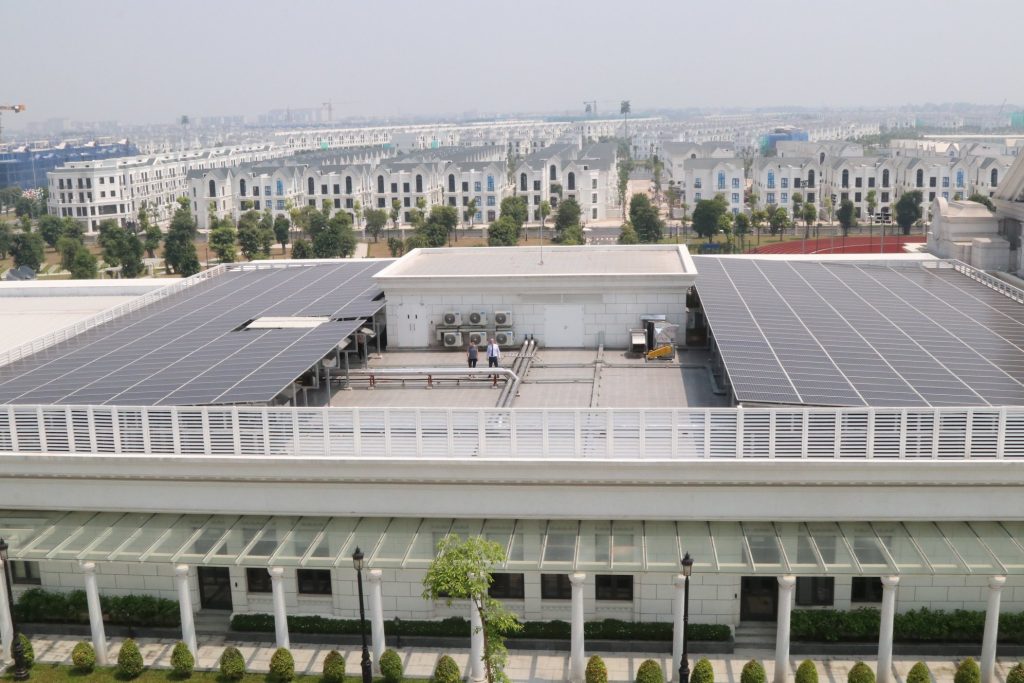
VinUniversity operates a rooftop solar energy system covering approximately 1,000 m² across campus buildings. With a total output of 150,000 kWh in 2023-2024, this solar panel system helps VinUniversity reduce reliance on the grid, limit greenhouse gas emissions, and save about 12,537 USD in annual electricity costs. In Academic Year 2024–2025, the system generated 152,060 kWh of renewable electricity, saving approximately 13,846 USD in annual energy costs while reducing campus greenhouse gas emissions. Since December 2025, solar-powered air-conditioning has been serving the student showcase area in Building I, marking a step toward deeper renewable integration in daily campus operations. VinUniversity is currently planning Phase 2 of our solar expansion, which will utilize all remaining rooftops for additional panel installations. These efforts are part of the university’s commitment to achieving net zero emissions for Scope 1 and 2 by 2050.

VinUniversity has installed an integrated Building Management System (BMS) that automatically controls air-conditioning, lighting, and energy use across all campus facilities. The system monitors temperature and occupancy conditions in real time, automatically switching off equipment when spaces are not in use. This smart infrastructure lowers both operational costs and carbon emissions while maintaining a high-quality learning and working environment for students, faculty, and staff.
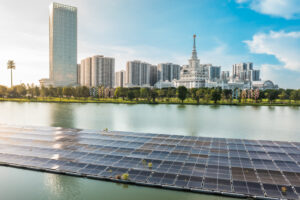
VinUniversity operates building-level and system-level energy metering to precisely track electricity consumption across the entire campus. Periodic data reviews are conducted to identify high-consumption areas, enabling targeted optimization measures that continuously improve energy efficiency. These monitoring practices ensure that energy reduction efforts are evidence-based, measurable, and aligned with the university’s Net Zero 2050 roadmap. VinUniversity also reports annually to Vingroup on emissions data and carbon reduction strategies.
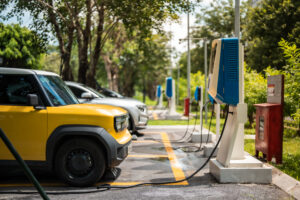
VinUniversity promotes sustainable mobility by offering incentives for electric vehicle adoption and installing EV charging stations on campus, encouraging low-carbon transportation choices among students, faculty, staff, and visitors. This initiative is complemented by the Smart Charging research project, led by Prof. Laurent El Ghaoui and the Center for Environmental Intelligence (CEI) team. The project develops a green EV charging station testbed that integrates renewable energy sources – solar and wind – with battery energy storage systems (BESS), and connects with a Digital Twin platform for energy optimization and data validation. Together, these efforts advance VinUniversity’s vision for sustainable urban mobility and clean energy innovation.

VinUniversity allocates 84% of our campus to landscaping and greenery, featuring over 2,000 ancient and shade trees. The low-building density design with special learning spaces make creates a Green University where students learn in harmonious natural surroundings anytime and anywhere.

VinUni features over 3,000m² of internal and rooftop gardens across the library, lecture halls, dormitories, and administration tower, plus a magnificent 10,000m² rose garden with over fifty varieties beautifying the campus.